



01/8
Promotion of Hellenic Studies
 Foundation
Cultural Center
Affiliate Foundation USA
Scholarships
Public Benefit
International Prizes
Scholars' Association
Library
Cavafy archive


Hellenic Studies Program
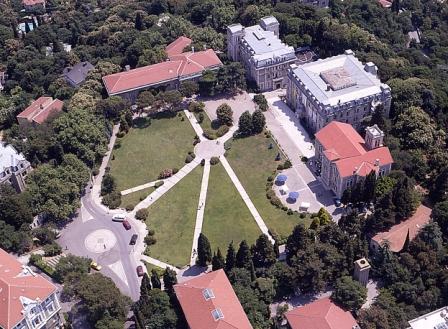
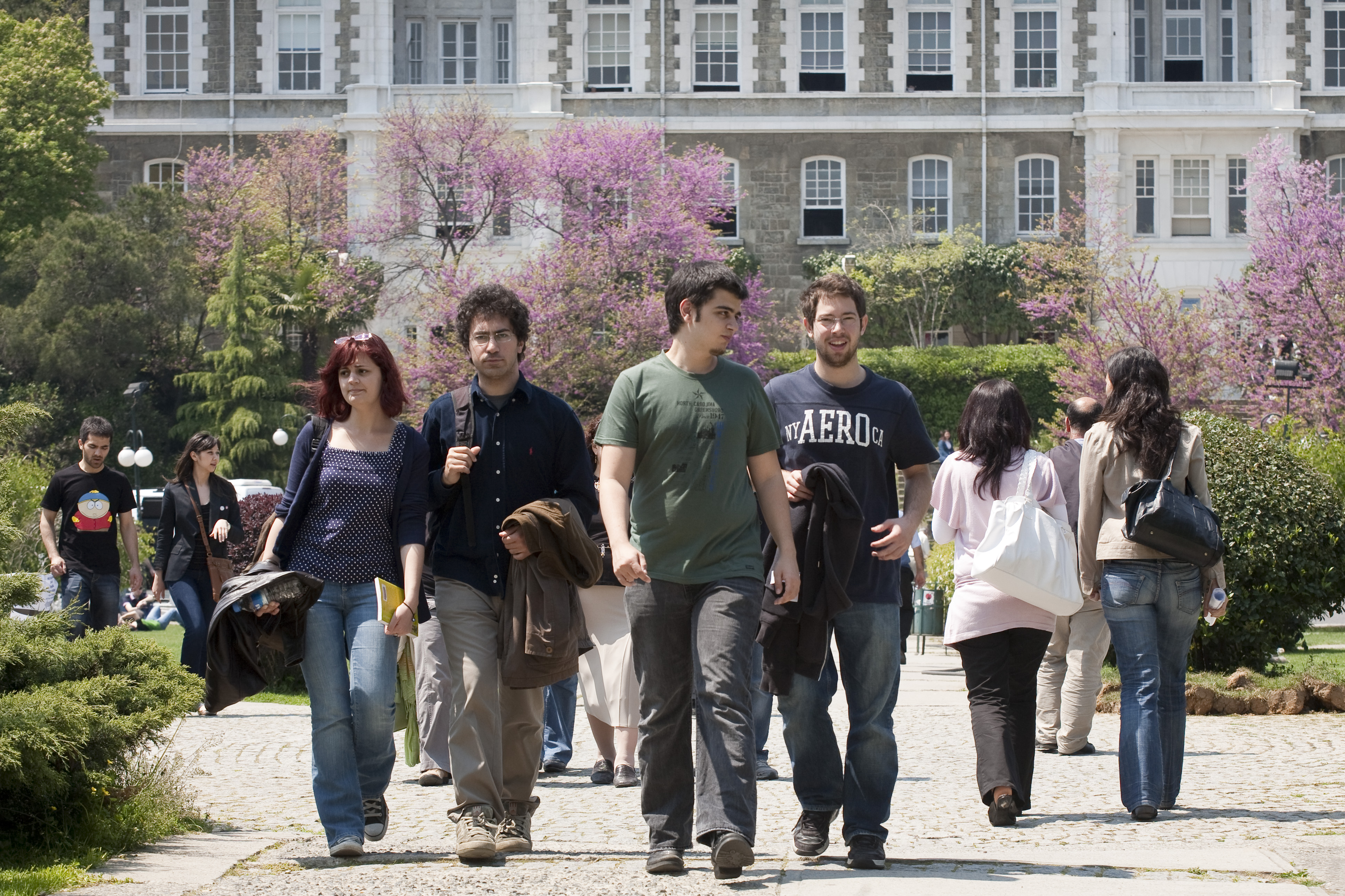
The Foundation is collaborating with Bogazici University (http://hist.boun.edu.tr/) supporting the following courses:
→ Ancient and Modern Greek
→ Ancient Greek Philosophy
→ Ancient Greek Culture
→ Byzantine History & Art
→ Ancient Greek History
→ Classical Archaeology
→ Modern Greek & Balkan History*
*The fall semester of 2015 began with the sad news of Dr Evangelos Kechriotis’ demise, instructor up until then of Modern Greek and Balkan History at the University’s Department of History, through the financial support of the Foundation.
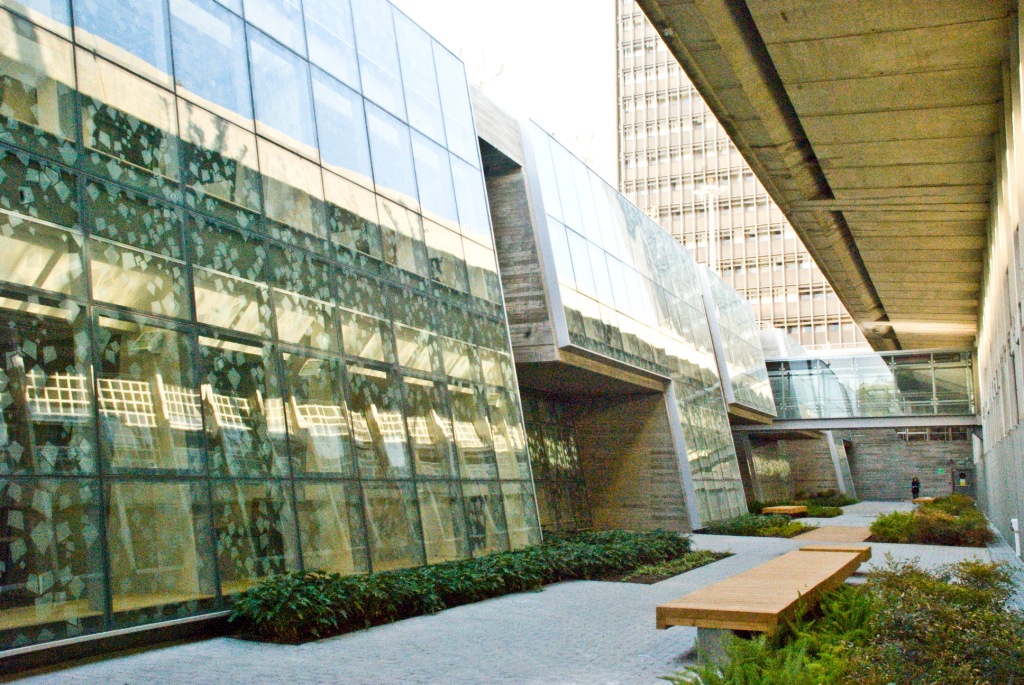
Bogazici University is one of the most renowned and widely acclaimed universities in Europe and USA having 113 bachelors, masters and doctoral degree programs and 4 faculties, as well as a very well equipped digitized library with more than 600,000 titles and more than 25,000 periodical subscriptions. Its students are easily accepted in the highest ranked universities of Europe and USA to pursue post-graduate and doctoral degrees.
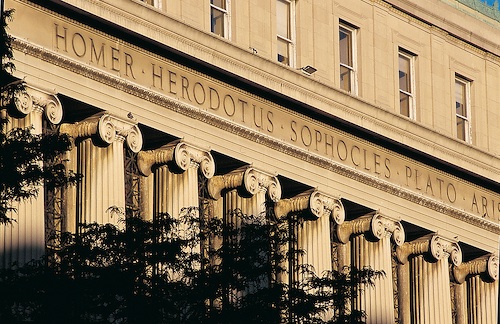
Diffusion of Greek culture and education is achieved through the aforesaid courses that mostly Greek but also foreign instructors offer, having been approved by the Foundation; through these courses, Turkish and international students are exposed to the Greek heritage and history through the said courses and also through seminars, outreach programmes and summer courses in Greek Universities. They are thus inclined to follow post-graduate studies and doctoral research related to Greek civilisation and culture.
The University offers an international academic environment, top facilities and classes which provide excellent learning environment, access to online libraries and research projects.

Modern Greek & Byzantine Studies Programmes
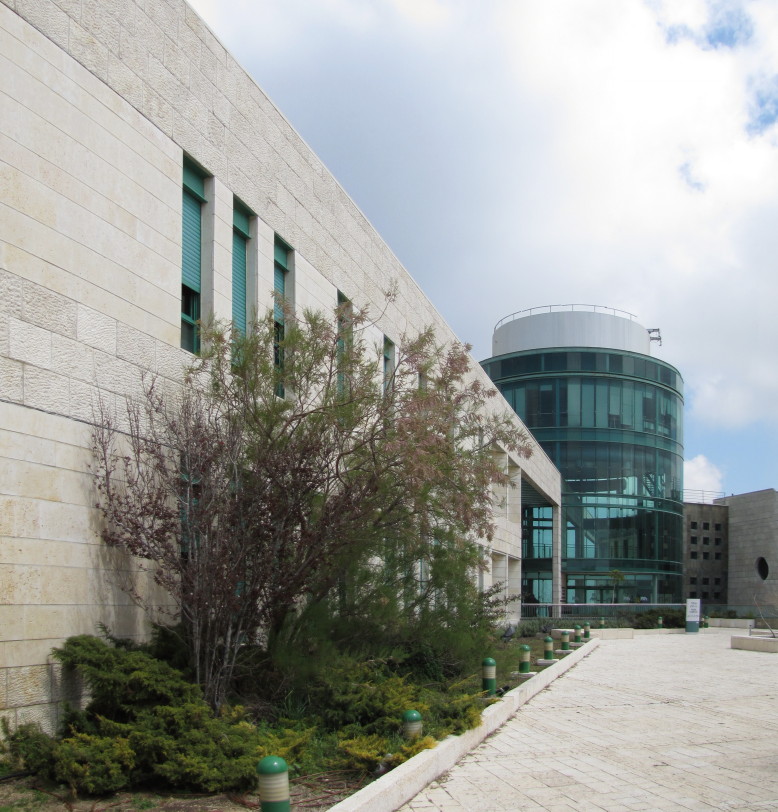
The Foundation's collaboration with the University of Haifa began in the year 2000, with the financial support of the Modern Greek Studies Programme. The Programme of Modern Greek Studies provides students with a comprehensive and interdisciplinary perspective of the language, literature, history, politics and culture of Modern Greece, from the fall of the Byzantine Empire to the present time. Through a wide range of courses, students are exposed to a variety of topics which allow them to appreciate the historical, geographical, religious, cultural and political realities of Modern Greece and matters related to Greece, as well as the means in which Greece has assimilated the multifaceted phases of its past and homogenized them as part of its own self. The Programme also focuses on the position of Modern Greece as a crossroads between Western Europe, Mediterranean countries and the Middle East. In addition, the students learn the literary and artistic traditions of Greece.
In 2006, the collaboration was extended with the incorporation of the Byzantine Studies Programme, where courses of introduction to Byzantine History, art, civilization, music and religion are taught, including a few relevant seminars. The Programme offers numerous cultural and intellectual activities, lectures given by Greek scholars, conferences and educational trips to Greece.
Also, the Programme gives students the opportunity to study in Greece during the summer. A number of scholarships are granted every year to outstanding students.
The Programme aims to attract students keen to acquire a firm training in the language and through the language, grounding in culture and society of Modern Greece. For this purpose three levels are proposed, over two semesters each.
ZAGREB CLASSICAL GYMNASIUM, CROATIA
Hellenic Program
The Classical Gymnasium of Zagreb has been funded since the year 2000 for the instruction of Modern Greek to students as well as to teachers of the School; books and other educational material have also been offered by the Foundation for this purpose.
Courses are offered systematically on a beginner and an intermediate level, while introductory courses of Modern Greek are being offered to all of the school’s interested students as an optional course. 3rd graders find this option quite useful as the School organizes each year a mandatory trip to Greece to get students acquainted with Greek culture.
The school’s drama class has formed a tradition to present a yearly play by Ancient Greek authors, with a few of the play’s parts being in ancient and Modern Greek.
From the beginning of this collaboration, the Foundation has been assisted by the Greek Embassy in Zagreb, in order to make sure that the relevant funds are being properly attributed to the School.
ARSAKEIO GREEK-ALBANIAN COLLEGE, TIRANA, ALBANIA
Recognizing the exceptional work done by the School and to assist its efforts in the dissemination of Greek Language and Culture, the Foundation has agreed to cover the cost of 30 scholarships or monetary awards, for students of all classes, according to their exceptional school performance and high ethical standards.
sosyal haber






© 2011-2026 2011-2015 Alexander S. Onassis Public Benefit Foundation, Städtle 27, FL-9490 Vaduz, Liechtenstein T +423 23 50220, F +423 23 50221 | web design & SEO by Mozaik
In order to navigate through the website, please enable Javascript.